
New Release from Original Motion Picture Soundtrack "Gauguin In Tahiti : Paradise Lost" On Sony Music Australia
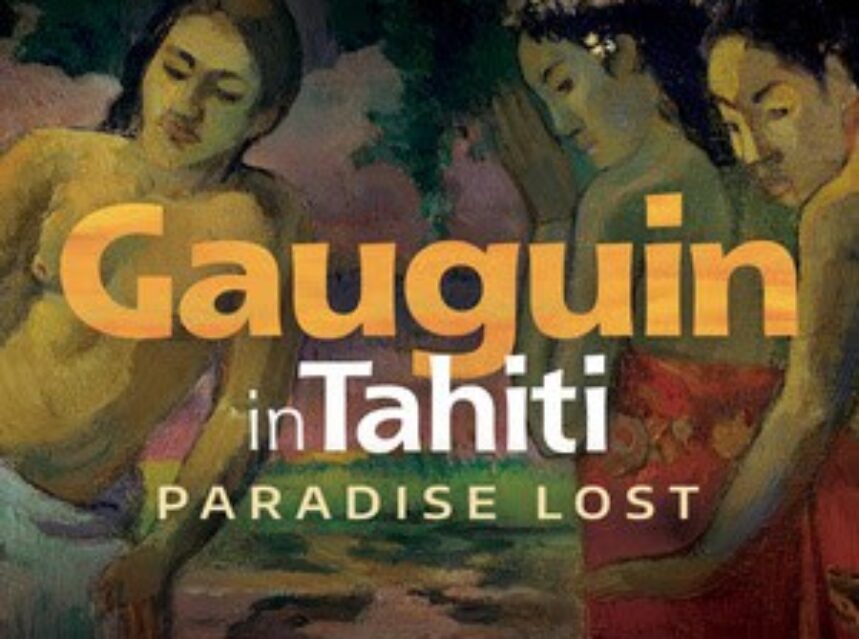
Original Motion Picture Soundtrack
“Gauguin In Tahiti : Paradise Lost”
22 Tracks – 01:09:31
Original Motion Picture Soundtrack
Gauguin In Tahiti : Paradise Lost
Sony Music announces the release of GAUGUIN IN TAHITI – PARADISE LOST (ORIGINAL MOTION PICTURE SOUNDTRACK), with music by composer REMO ANZOVINO. Available digitally Friday, March 22, the soundtrack features music from the Nexo Digital artbeats film, which details artist Paul Gauguin’s quest for the exotic in Tahiti.
Of the soundtrack, composer REMO ANZOVINO says: “Paul Gauguin not only abandoned everything (financial security as a stockbroker) and everyone (a wife and 5 children), but that very sense of escaping to far off lands would create the alchemy in his most famous paintings, at the centre of the narrative of this film.
I have always thought that music is the most powerful vehicle to take you to completely different places in just a few seconds.
Discovering how important music was to Gauguin – so much so that he used it to describe the meaning of his paintings to his art dealer – helped me find the key to this score.”
In April of 1891, artist Paul Gauguin left Marseille on board a ship bound for French Polynesia. Landing in Tahiti at the age of 43, Gauguin’s journey to the opposite end of the civilized world had just begun, leading the artist on a search for the Dawn of Time and Man. Gauguin would spend the remaining 12 years of his life in the Tropics, feverishly searching for authentic immersion into the natural world, its visions, colours, feelings. The search led him to his own Garden of Eden, a landscape both cruel and rewarding – a place that would inspire Gauguin to become one of the greatest painters of our time.
While Gauguin in Tahiti – Paradise Lost is a showcase of the adventure book that was Gauguin’s life, the film also chronicles a story of failure, Gauguin’s inability to break free from his own origins, and the ambitions and privileges of modern man. The painter was, after all, a citizen of colonial power: although painting among the palm trees, his thoughts were that of a Western man. It’s a paradox reflected in the fate of his work, as the majority of his paintings hang in major international museums. Every year millions of people stop in front of those canvases, dreaming of their moment of paradise in a silent spot among the crowds.